
Introduction
How to Get Physically Fit Our Body physical exercise commitment creates the best long term dividends on healthy lifestyle investments. Oftentimes, people cite the expense of protein powders or “fat burners” or “muscle builders” believing that it is practically impossible to build a lean, healthy body without supplements.
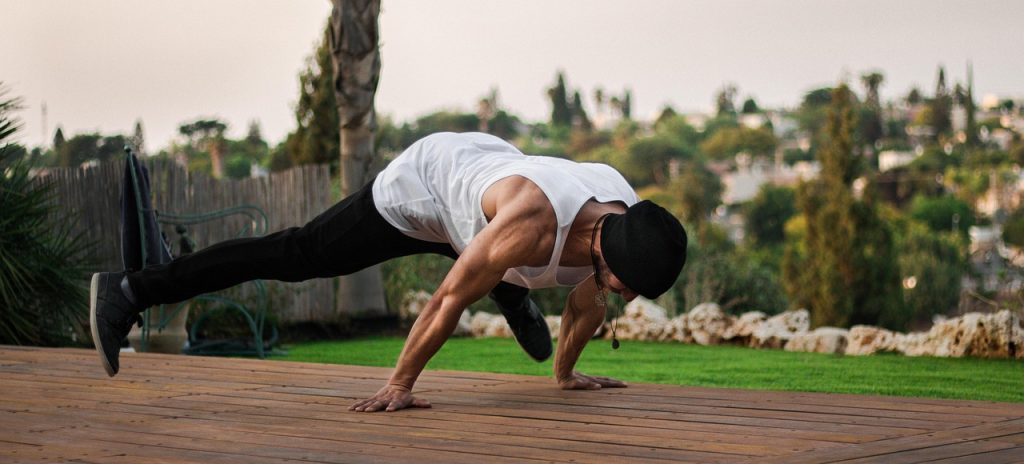
The fact of the matter is that all exercise and healthy eating habits combined with good sleep can quickly improve your physical fitness.
Natural Diet
The first step toward a fitness transformation begins with your diet. The body needs good nutrition to recover and improve. The diet should cover all of the range (and quantity!) of whole foods. Whole foods may consist of plant materials such as fruits and veggies, carbohydrate grains like oats and quinoa, lean protein sources like poultry, healthy fats like avocado and nuts, all while avoiding processed foods. Dietary fruits and plants provide the required vitamins for bodily health. Healthy protein sources, like beans and lentils, should be included and substituted for lean meats. Lean meats provide good protein and a source of energy for the body.
Keep it Consistent
There should be a commitment to health and fitness which means that there should be a good regimen which includes a combination of regular cardio, strength and flexibility training. The body needs time to adjust. A gradual progression is the safest way to avoid burning out quickly.
Muscle building and improvements in metabolism are the results of strength training. As a beginner, you can consider exercises that do not require equipment like push ups, squats, lunges, planks, and pull ups. If you have access to weights, you can improve your strength by slowly increasing the amount of resistance.
The heart and cardiovascular system are improved by exercises that are of an aerobic nature. Walking, jogging, riding a bicycle, swimming, or jumping rope are all good examples. Stretching in combination with yoga helps reduce muscle stiffness and improves your flexibility, thus decreasing your risk of incurring an injury.
Water!
The importance of water in being physically fit cannot be overstated. In fact, water is a key regulator in the body’s ability to digest, transport, and metabolize. It is important to maintain hydration for healthy muscle function. A general recommendation is that you aim for 2-3 liters of water a day. However, your recommendation may change depending on your level of physical activity and the climate you live in.
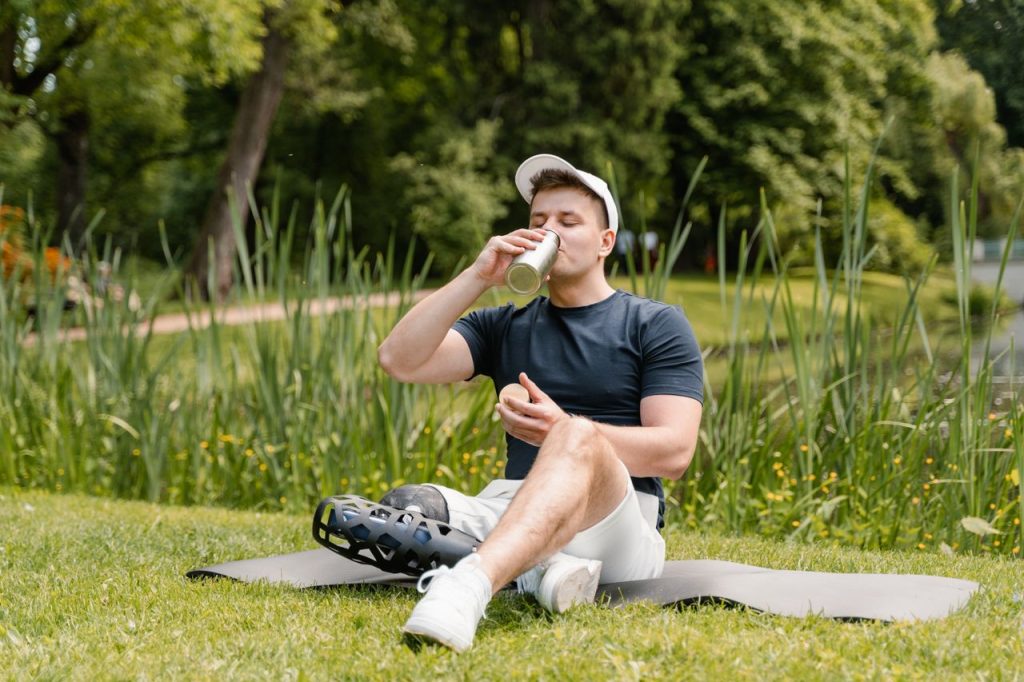
It is best to avoid sugary drinks because they have a lot of empty calories. Fruits also help hydrate the body and can replenish fluids naturally.
Quality over Quantity
Your body repairs and builds muscles, and is also rested and ready to perform, when you get the right amount of quality sleep. Sleep also helps in restoring the body’s energy levels, and also helps regulate the body’s recovery hormones.
The goal is to get 7 to 9 hours of sleep every night. You also should have a consistent bedtime routine, and avoid using electronics before bed in order to help your sleep improve.
Realistic Expectations
You should keep in mind that the goal is consistency. While a good motivation to start exercising is a good start, people lose interest after some time. It is best to have a sustainable plan that you can stick to over the long term.
Small adjustments done consistently will add up to bigger results over time. Commit to a 30 minute workout everyday because in a year, that will add up to a lot of hours worked out.
Manage Stress
Too much cortisol as a result of excess stress can cause you to gain weight and lose muscle. So stress management through meditation, breathing exercises, yoga, or just spending time outside can really benefit you.
It can really help to have a positive mindset when you’re on your fitness journey.
Avoid Processed Food
It can be bad for your health and cause weight gain to eat foods that have been processed. To avoid this, try to cook for yourself with food as close to it’s natural state as possible.
Fruits, chickpeas, nuts, boiled eggs and yogurt are all good for sustaining energy without packing on the pounds.
Track Your Progress
It’s important to keep records of your workouts and your measurements. Also, keep yourself mentally challenged by setting some mini, weekly goals. Stay away from goal competition because everyone is different in their own way on their own journey.
Take the time to notice and celebrate the small details you’ve accomplished like increasing the length of time you can run or push-ups you did, or just feeling more energetic through your daily activities.
Lifestyle Habits That Support Fitness
Being physically fit means having good lifestyle habits as well.
– When you’re able to, walk.
– If you’re able to, do the stairs.
– Less screen time. More time moving.
– Have good posture
– Get fresh air and sun.
These simple habits will get you more daily activity, as well as help you lead a more healthy lifestyle.
Do You Really Need Supplements?
Supplements are only truly necessary if you’re consuming an unbalanced diet. Natural food provides protein and a variety of vitamins and minerals that work together in a synergistic manner to help your body in ways that isolated supplements cannot.
There are some medical situations in which supplements can be necessary, but they should never be a replacement for diet.
Conclusion
It is absolutely possible to build a body that is both physically fit and toned without supplements. Eat whole foods, exercise consistently, and don’t forget to stay hydrated! Most importantly, manage stress in a healthy way and maintain a good consistent routine. It’s not a race to see how healthy you can get as quickly as possible. It’s about forming healthy habits and sticking to them for long term results. Natural methods will improve your health, strength, and endurance while building-your confidence long term.
Rather than look for shortcuts, focus your time and efforts on changes that will benefit you the most. Choosing to develop healthy, lifelong habits will pay off most in the long run. Your body is most likely to respond to what you eat coupled with routine movement, and just most importantly, patience. Enjoy a slow, natural progression toward overall fitness and health.