
Starting a fitness journey can feel exciting and overwhelming at the same time. With thousands of workout routines, diet plans, and fitness influencers sharing advice online, it’s easy to wonder where to begin. The good news is that you don’t need expensive equipment or years of experience to become healthier. You simply need the right approach and the willingness to stay consistent.
This guide explains everything a beginner needs to know before taking the first step toward a healthier lifestyle.
Why Fitness Matters
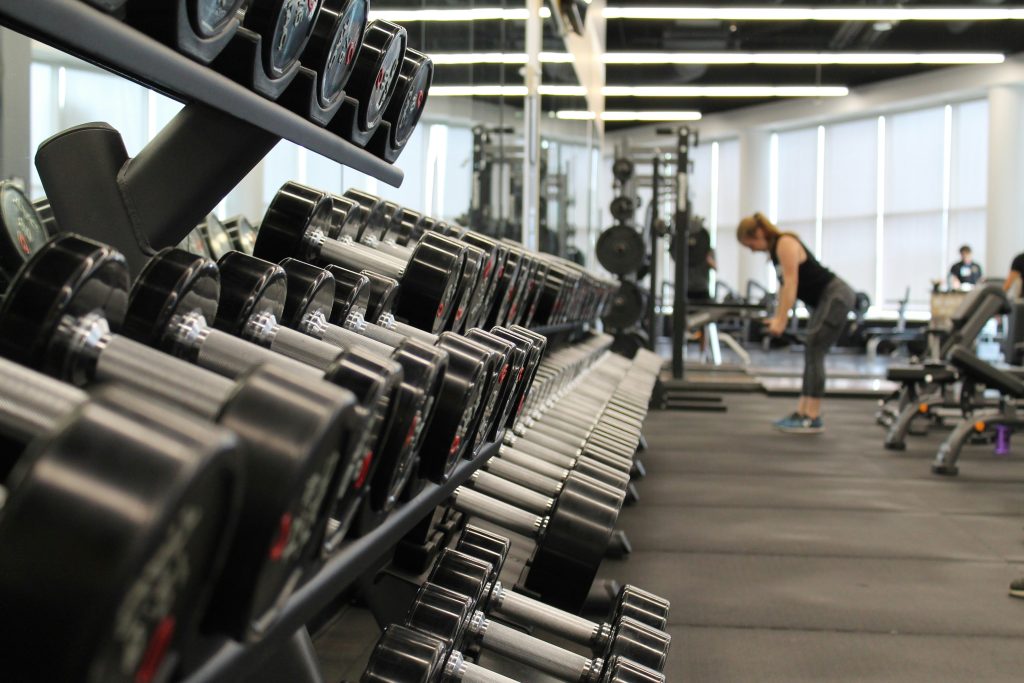
Being physically active is about much more than changing your appearance. Regular exercise improves heart health, strengthens muscles, boosts energy, supports mental well-being, and helps reduce the risk of many chronic diseases. Even small lifestyle changes can make a noticeable difference over time.
Instead of focusing only on weight loss, think about becoming stronger, feeling more energetic, and improving your overall quality of life.
Set Realistic Goals
One of the biggest mistakes beginners make is expecting immediate results. Fitness is a long-term commitment, not a quick fix.
Start with goals that are specific and achievable, such as:
- Walk for 30 minutes five days a week.
- Complete three strength-training sessions weekly.
- Drink more water every day.
- Sleep at least seven hours each night.
Small victories build confidence and help create lasting habits.
Choose Activities You Enjoy
The best workout is the one you can stick with consistently. If running isn’t enjoyable, try cycling, swimming, dancing, hiking, or bodyweight training.

Popular beginner-friendly options include:
- Brisk walking
- Jogging
- Yoga
- Resistance training
- Home workouts
- Cycling
Finding an activity you genuinely enjoy makes staying active much easier.
Learn the Basics of Strength Training
Many newcomers believe cardio is the only path to better health, but building muscle is equally important. Strength training improves posture, increases metabolism, and makes everyday activities easier.
Focus on fundamental movements like:
- Squats
- Push-ups
- Lunges
- Planks
- Rows
- Glute bridges
Practice proper technique before increasing weight or intensity.
Don’t Ignore Nutrition
Exercise alone won’t deliver the best results without healthy eating habits.
Aim to include:
- Lean protein sources
- Whole grains
- Fresh fruits
- Vegetables
- Healthy fats
- Plenty of water
There’s no need to follow restrictive diets. Consistency with balanced meals usually works better than short-term dieting.
Prioritize Recovery
Many beginners assume more workouts always lead to faster progress. In reality, your body grows stronger during recovery.
To recover effectively:
- Get enough sleep.
- Stay hydrated.
- Stretch after workouts.
- Schedule at least one rest day each week.
Recovery helps reduce injury risk and improves performance.
Stay Consistent Instead of Perfect
Missing one workout doesn’t mean you’ve failed. Progress comes from showing up regularly, not from being perfect every day.
If you miss a session, simply continue with your next planned workout. Long-term consistency matters far more than occasional setbacks.
Track Your Progress
Monitoring improvements keeps motivation high. You don’t need complicated apps—simple notes are enough.
Track things like:
- Workout frequency
- Strength improvements
- Body measurements
- Energy levels
- Daily steps
You’ll often notice increased strength and endurance before visible physical changes.
Common Beginner Mistakes
Avoid these common errors:
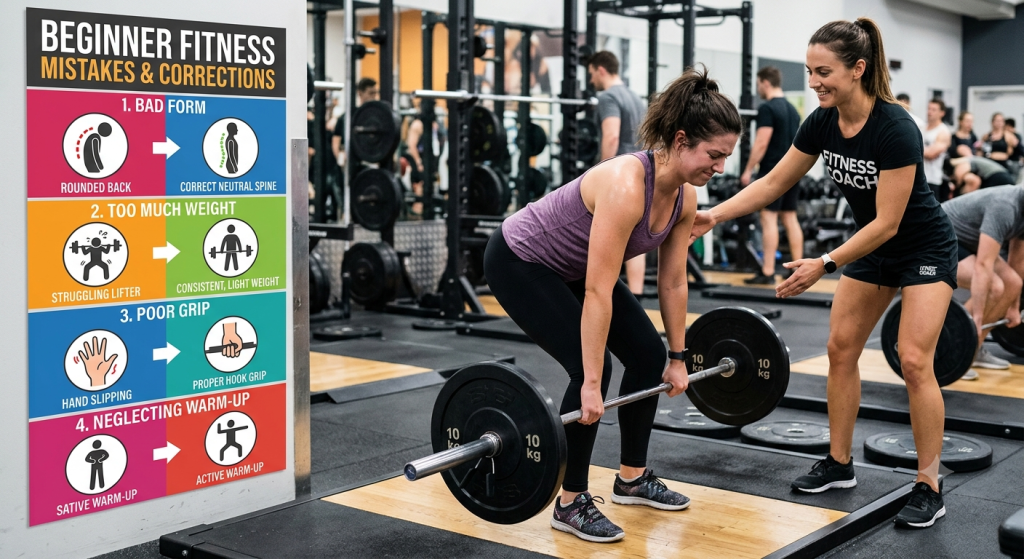
- Doing too much too soon
- Comparing yourself to others
- Ignoring proper form
- Skipping warm-ups
- Following fad diets
- Not drinking enough water
- Expecting overnight results
Learning from these mistakes will help you build a sustainable routine.
Build Healthy Habits
Success doesn’t come from a single workout—it comes from daily habits.
Simple habits include:
- Moving your body every day.
- Preparing healthy meals.
- Limiting sugary drinks.
- Sleeping on a regular schedule.
- Managing stress through relaxation or meditation.
These habits create lasting improvements over time.
Final Thoughts
Beginning a healthier lifestyle doesn’t require perfection or expensive gym memberships. Every small step contributes to long-term success. Focus on creating routines that fit your schedule, eat nourishing foods, and stay patient with the process.
Remember, fitness isn’t about competing with others. It’s about becoming a stronger, healthier version of yourself one day at a time.